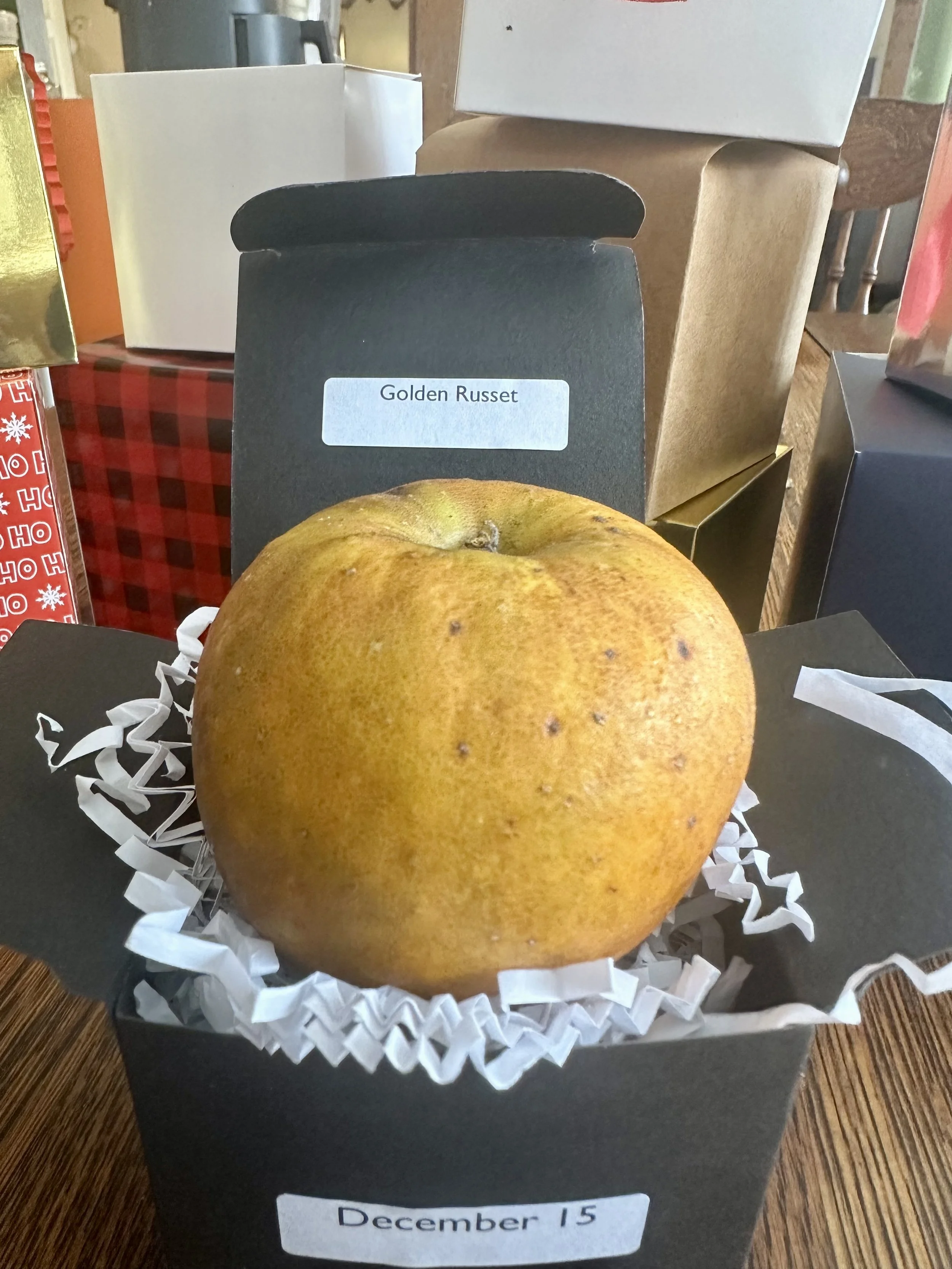
December 15: Golden Russet
Eastern United States, mid-1800’s
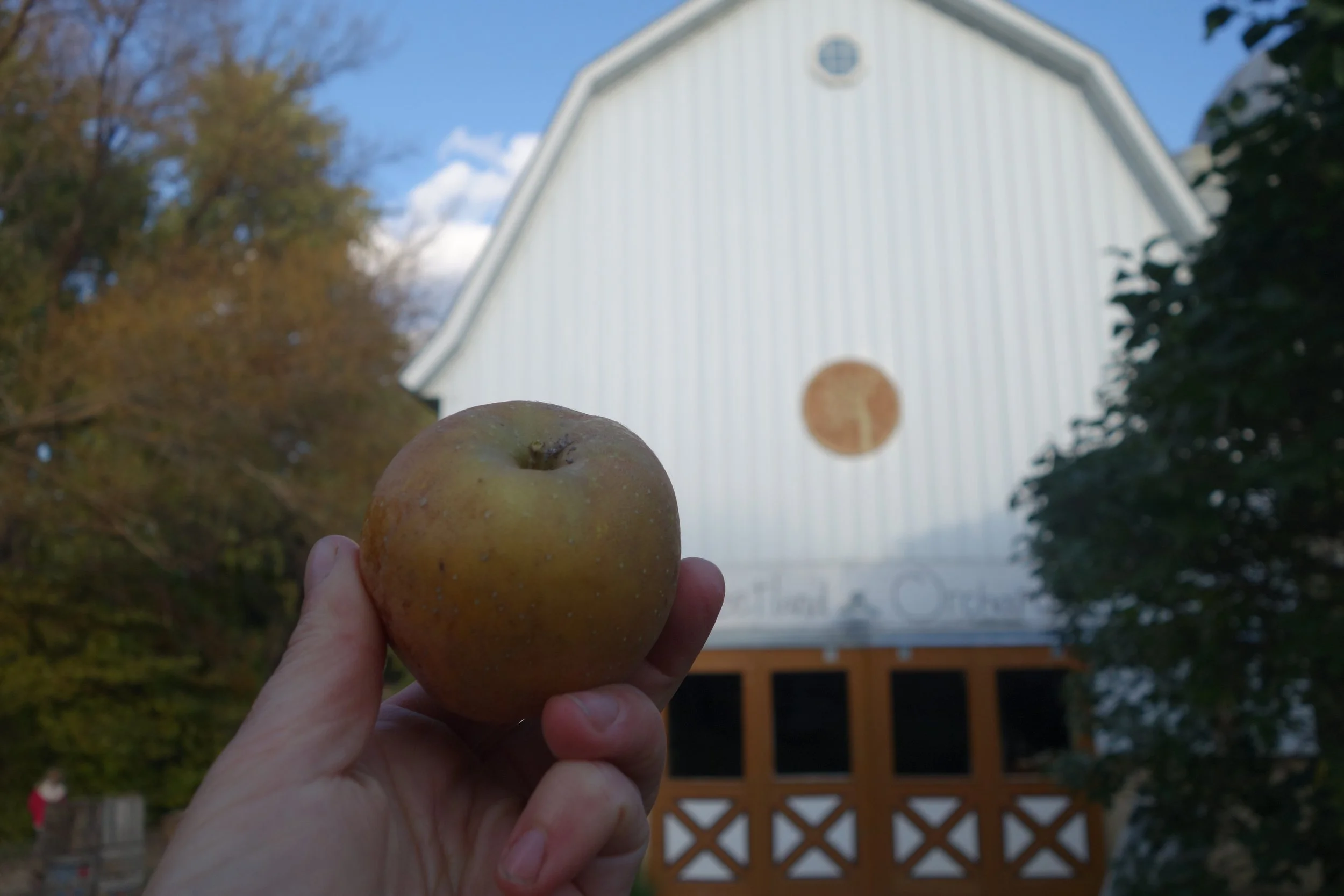
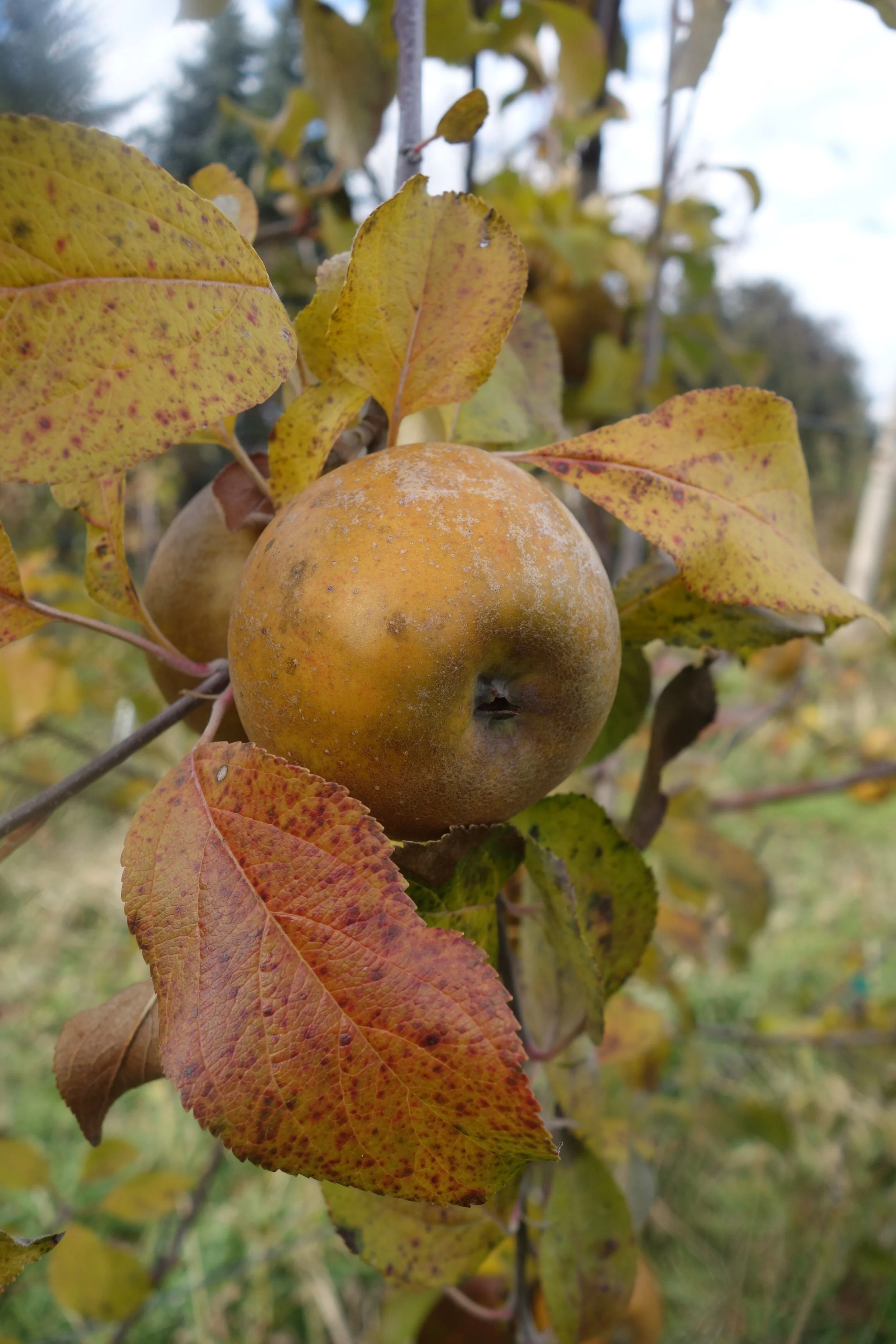
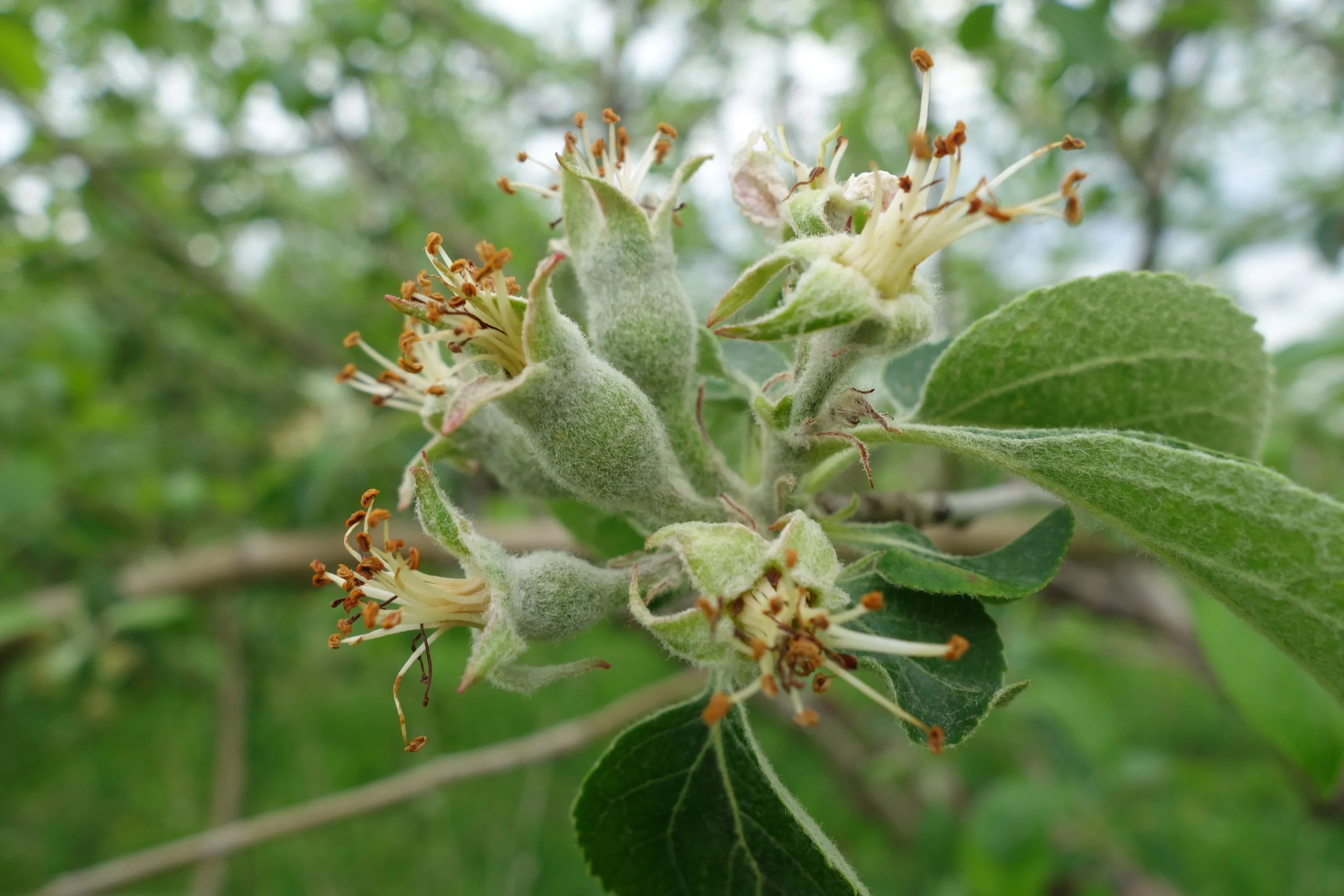
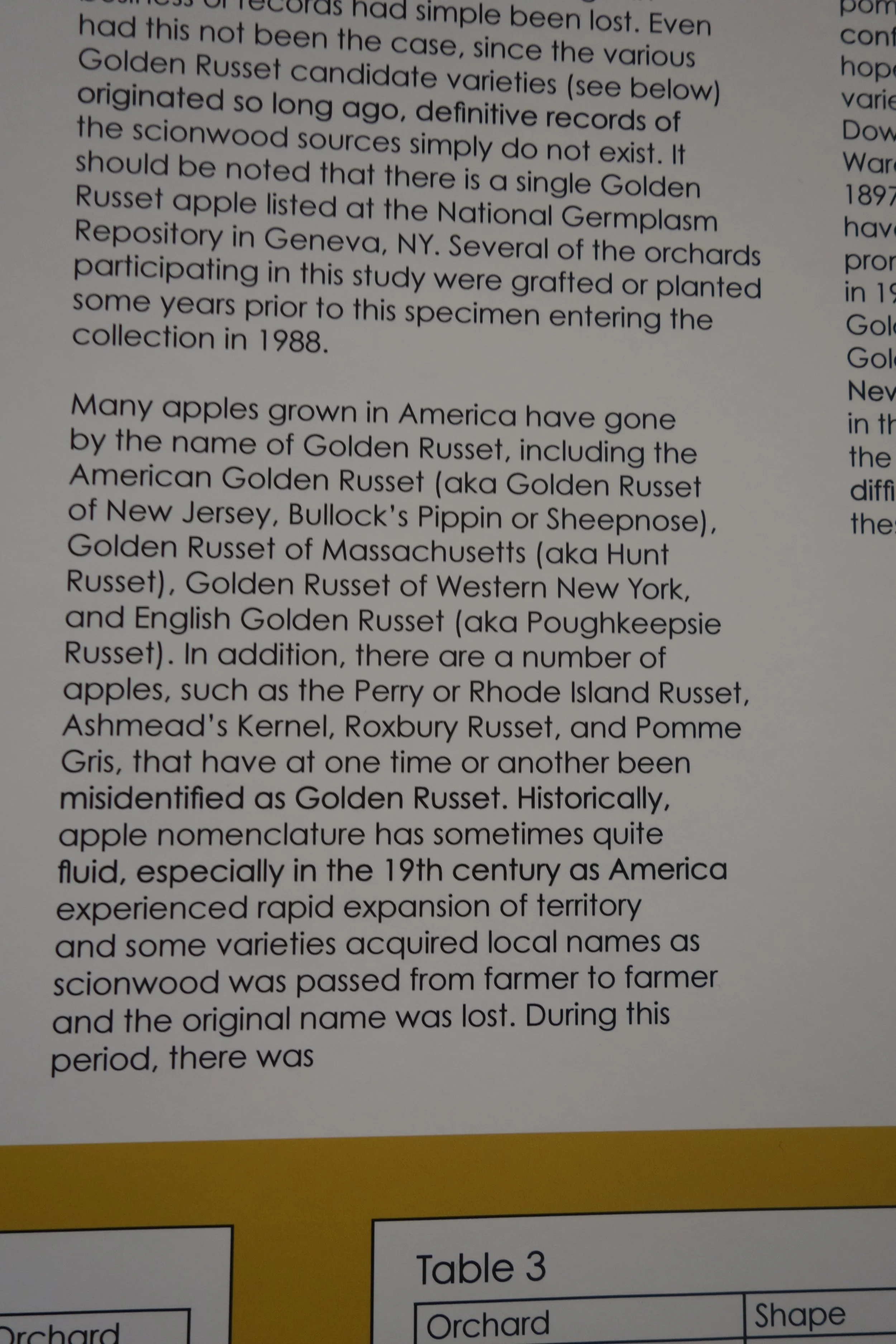
Of all the russeted apple varieties, the Golden Russet is the most widely grown. It’s almost a misnomer to identify a single variety as “Golden Russet” because there are two predominant varieties being grown as Golden Russet (English Russet and Golden Russet of Western New York) and likely even more that simply haven’t been as dominant in “lesser” apple-growing regions.
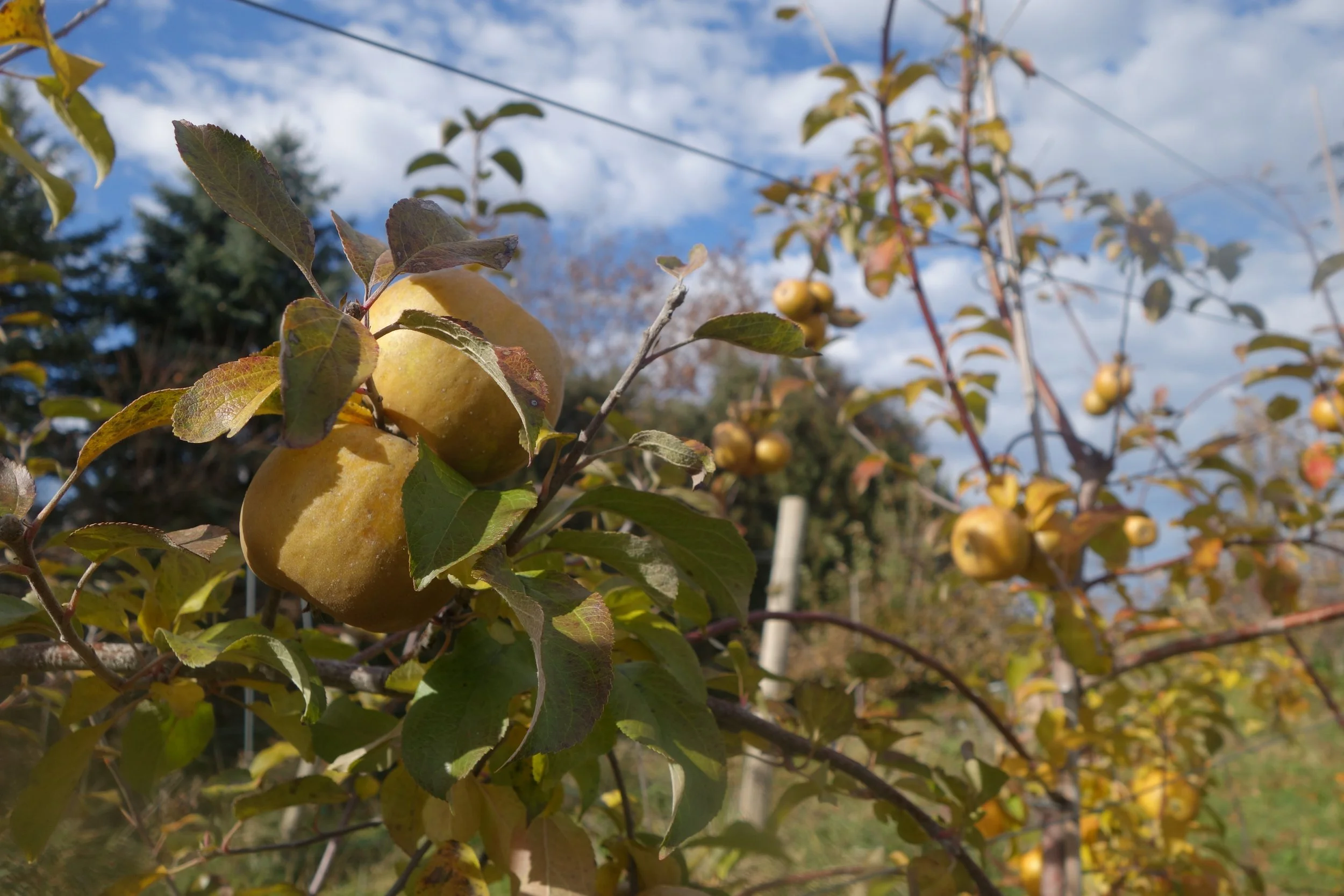
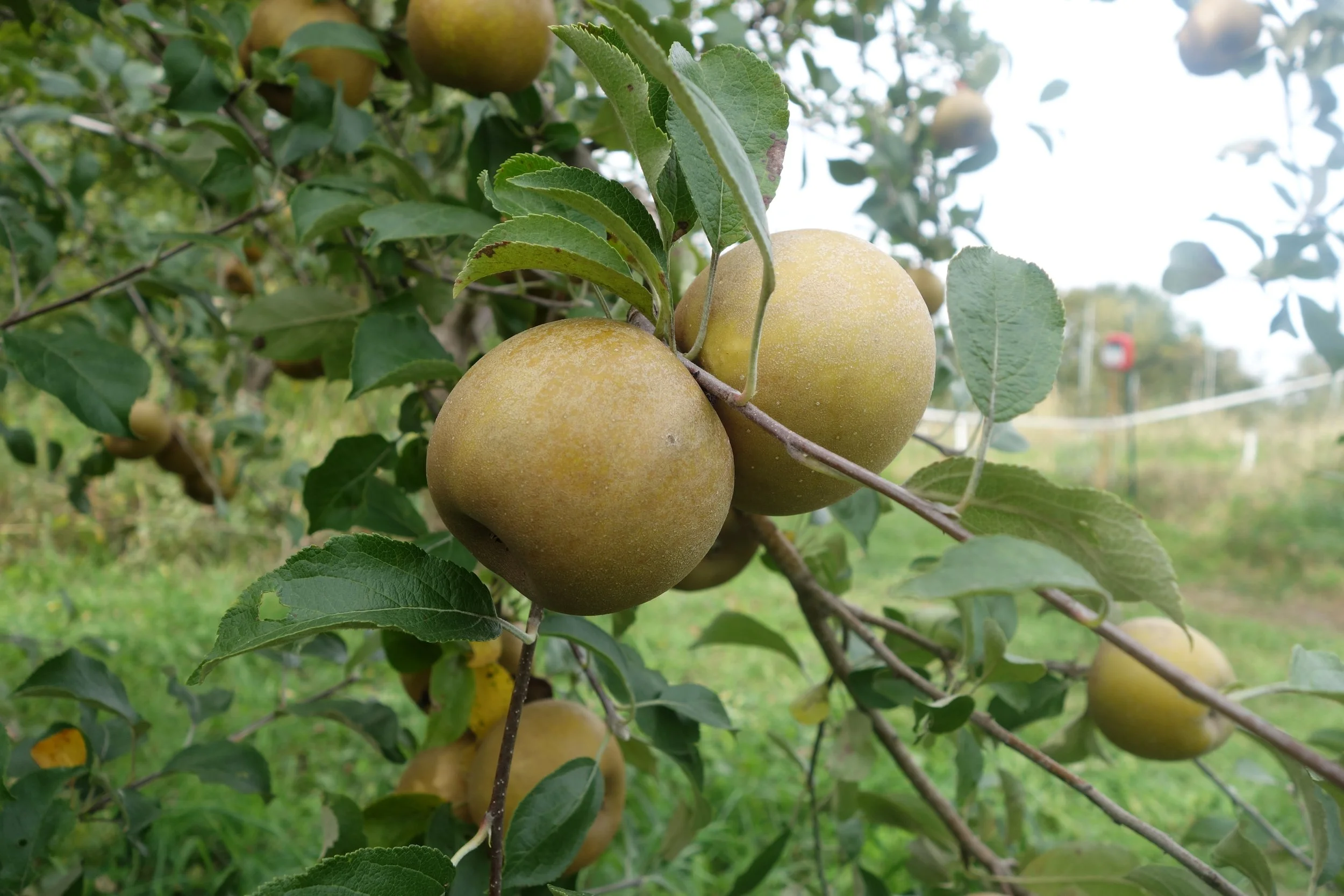
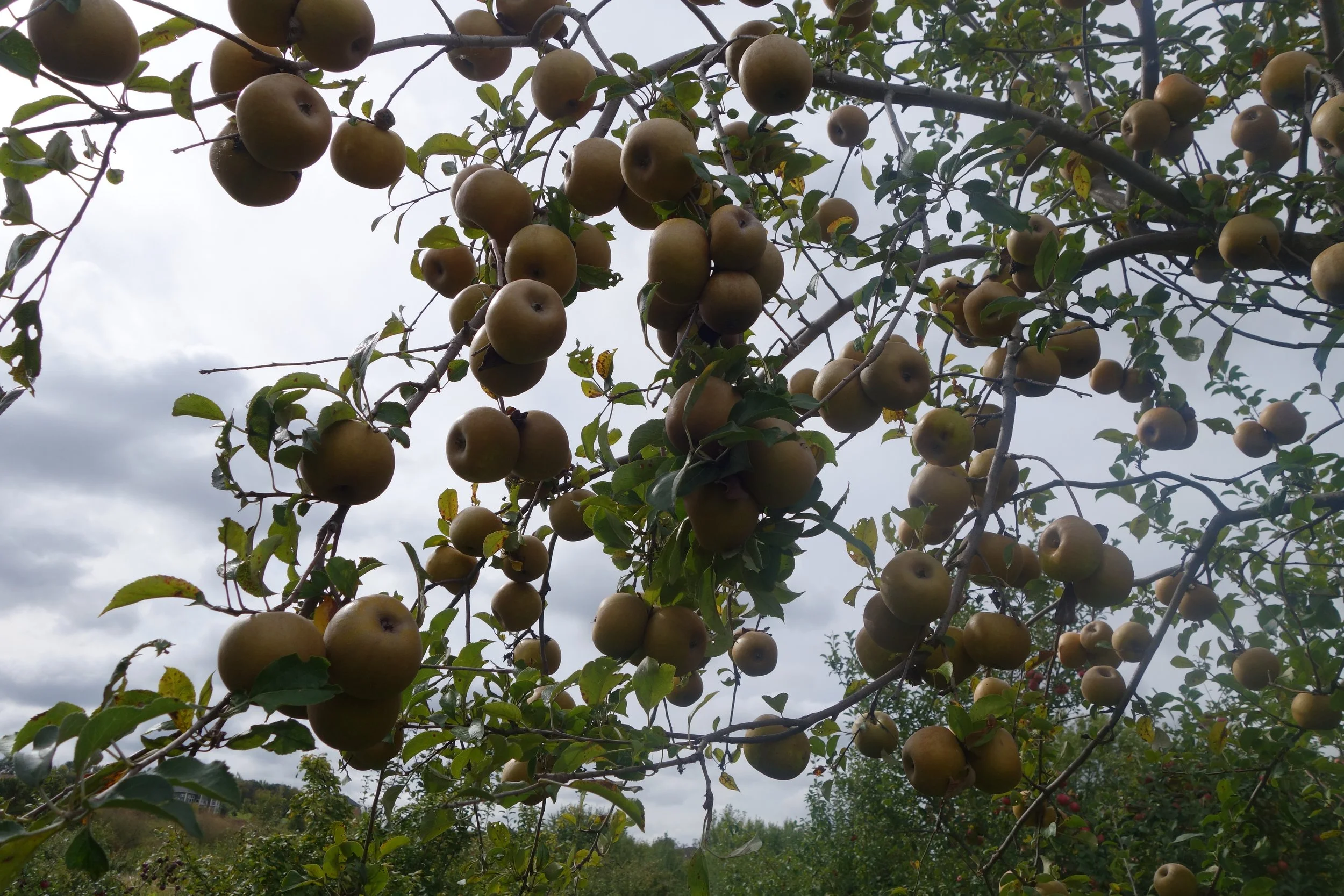
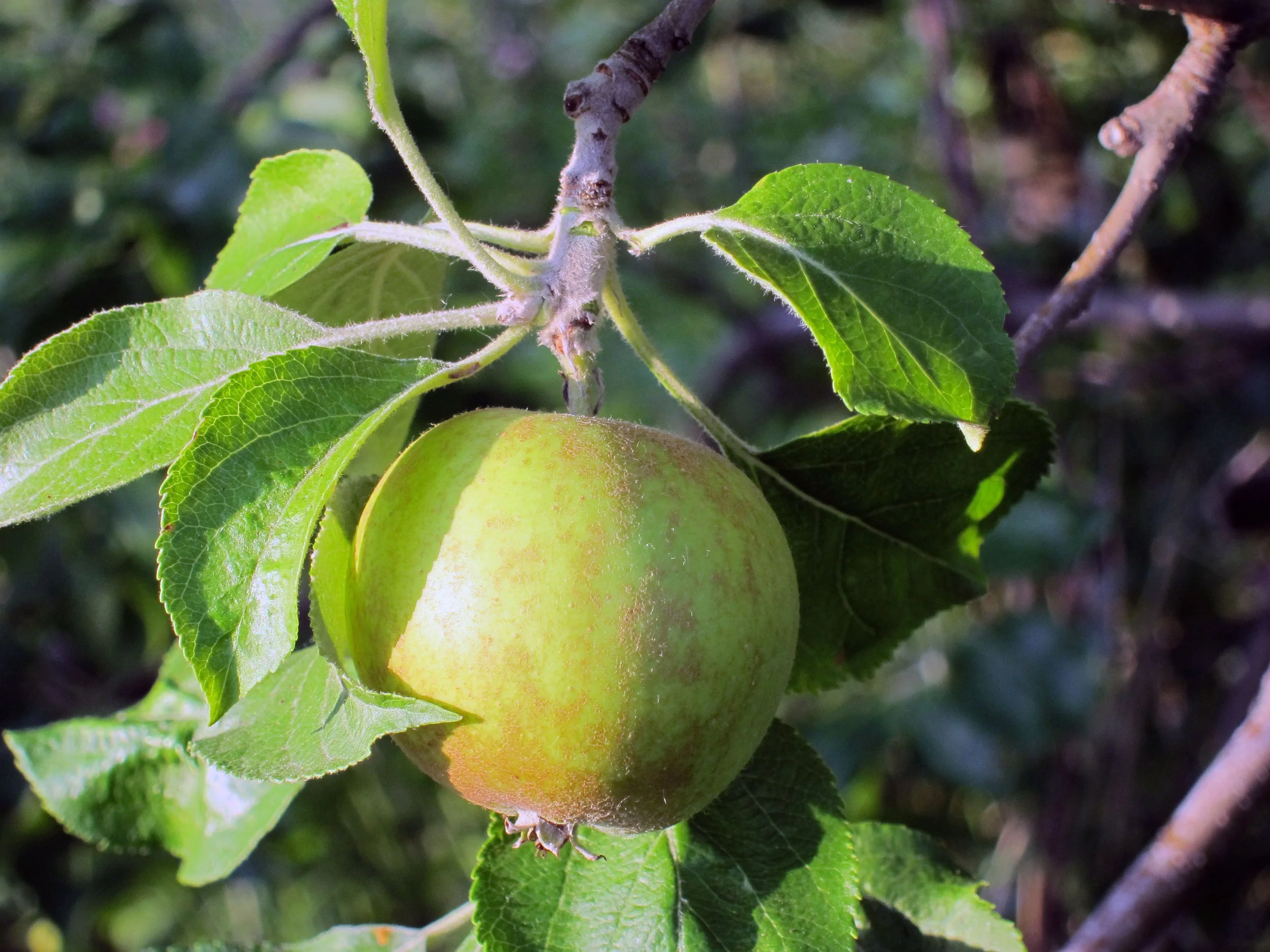
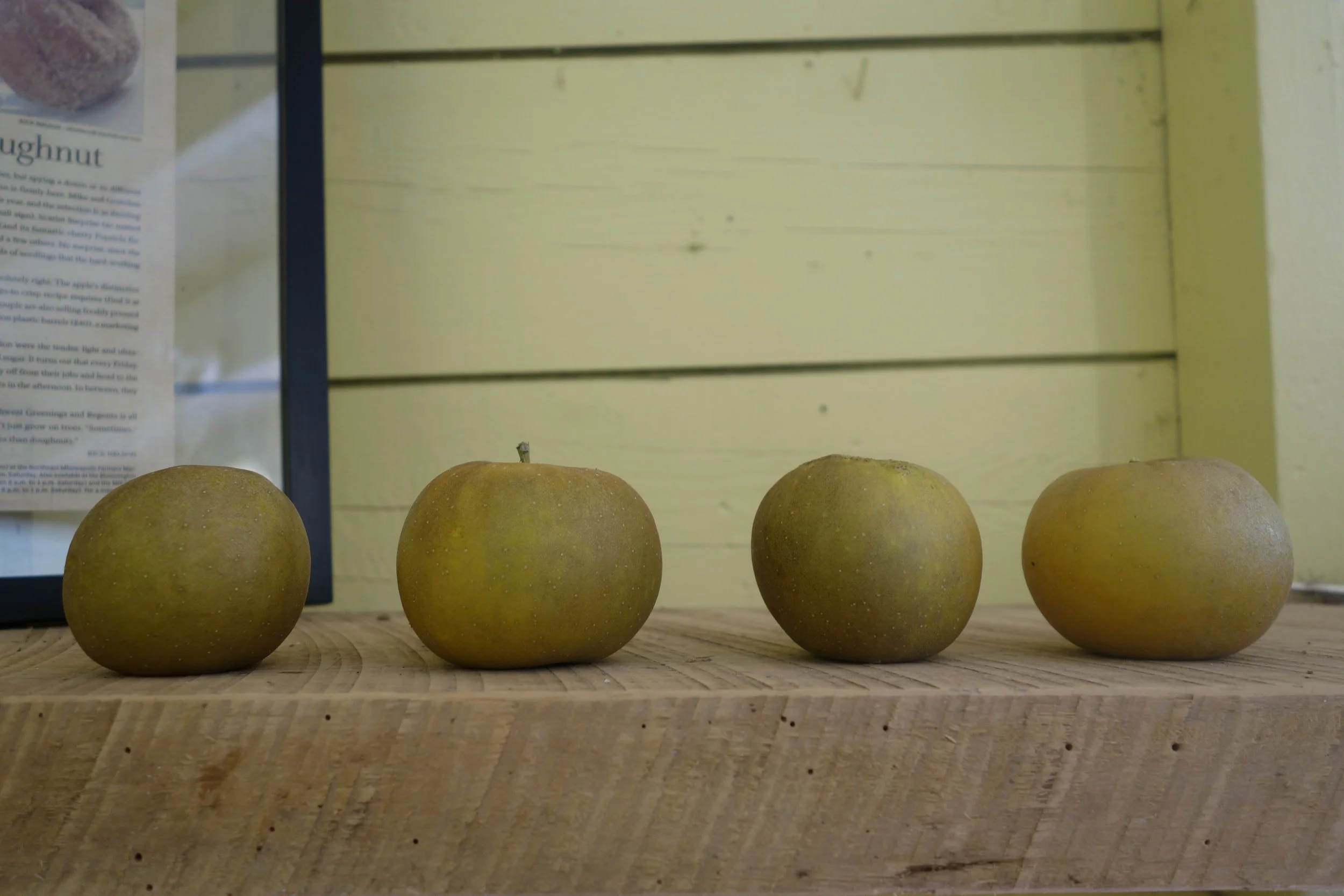
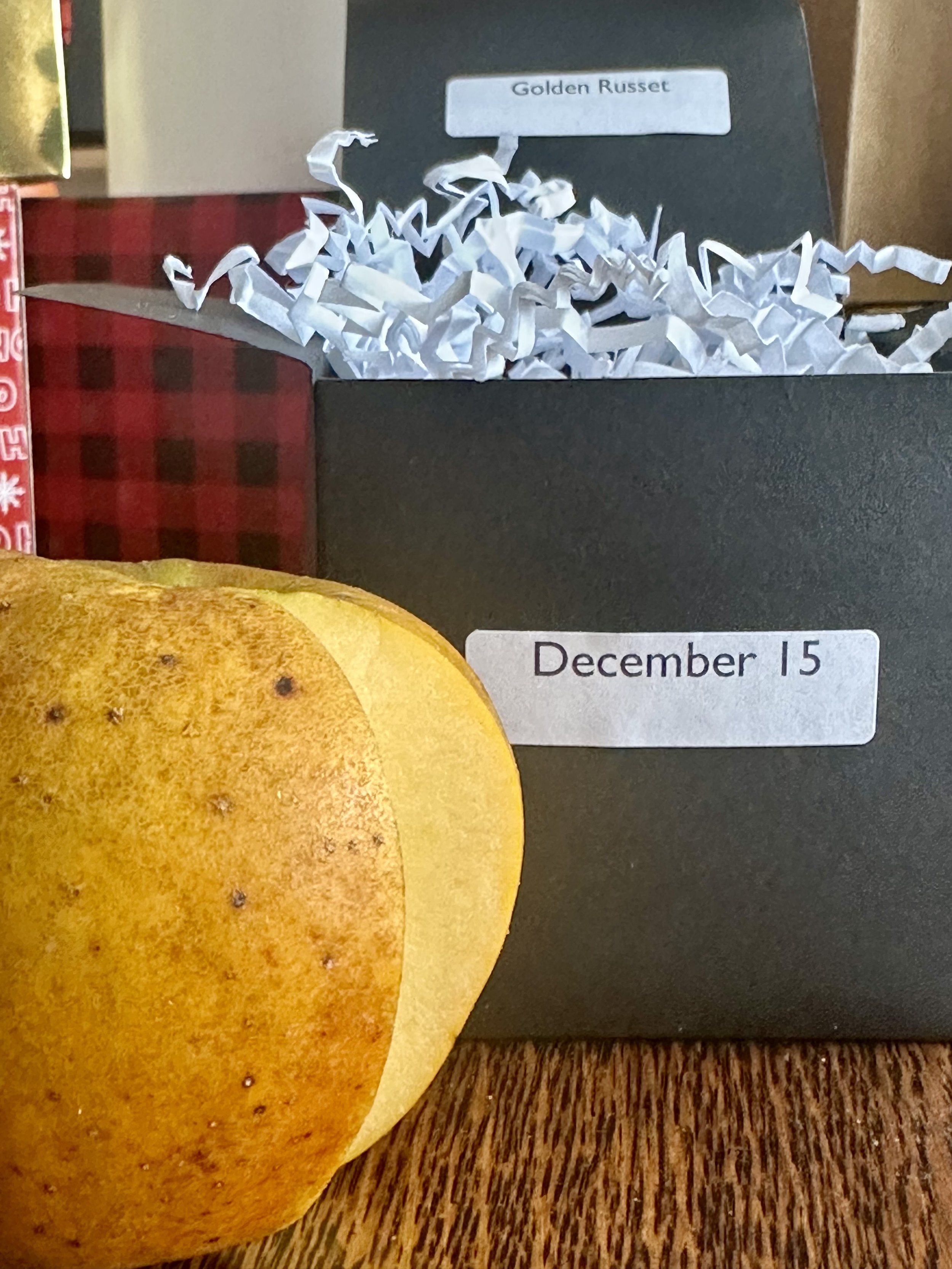
What you can count on with any Golden Russet is intense acid and sugar, a beautiful yellow-orange-green ground color covered almost entirely by russeting, and the dense flesh that makes it such a good keeper.
Cidermakers love Golden Russet. We don’t have to worry about that leathery skin and we get to reap all the benefits of its rich flavor. More than once I’ve read that Golden Russets make the champagne of hard ciders. I was able to harvest enough Golden Russets this year that I was able to press them on their own as a single-variety cider. Most modern dessert apple varieties that I press measure 12 brix (a measurement of sugar), but the Golden Russet measured 15.5!
Read Adam’s Apples account of Golden Russet.
Growing Notes
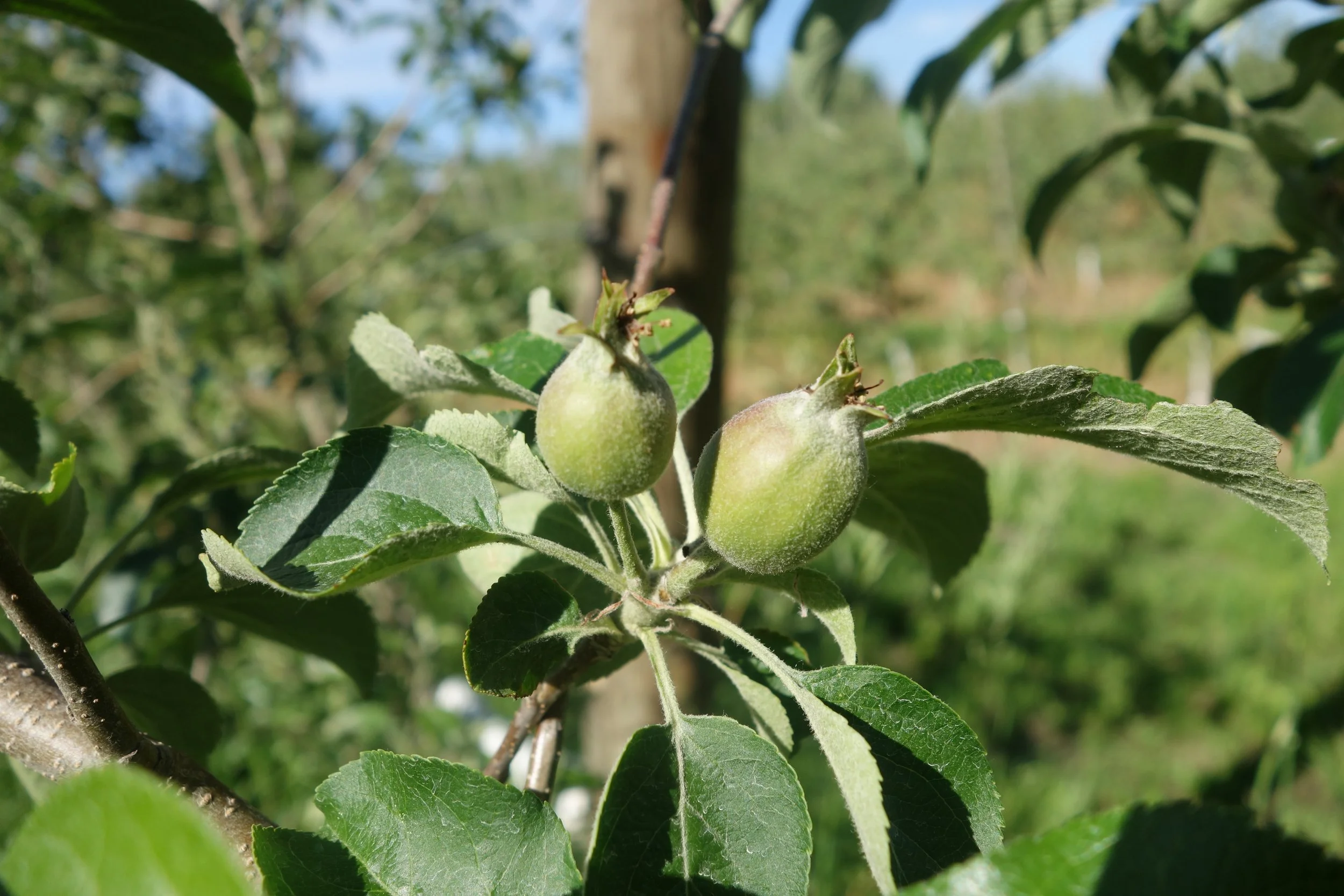
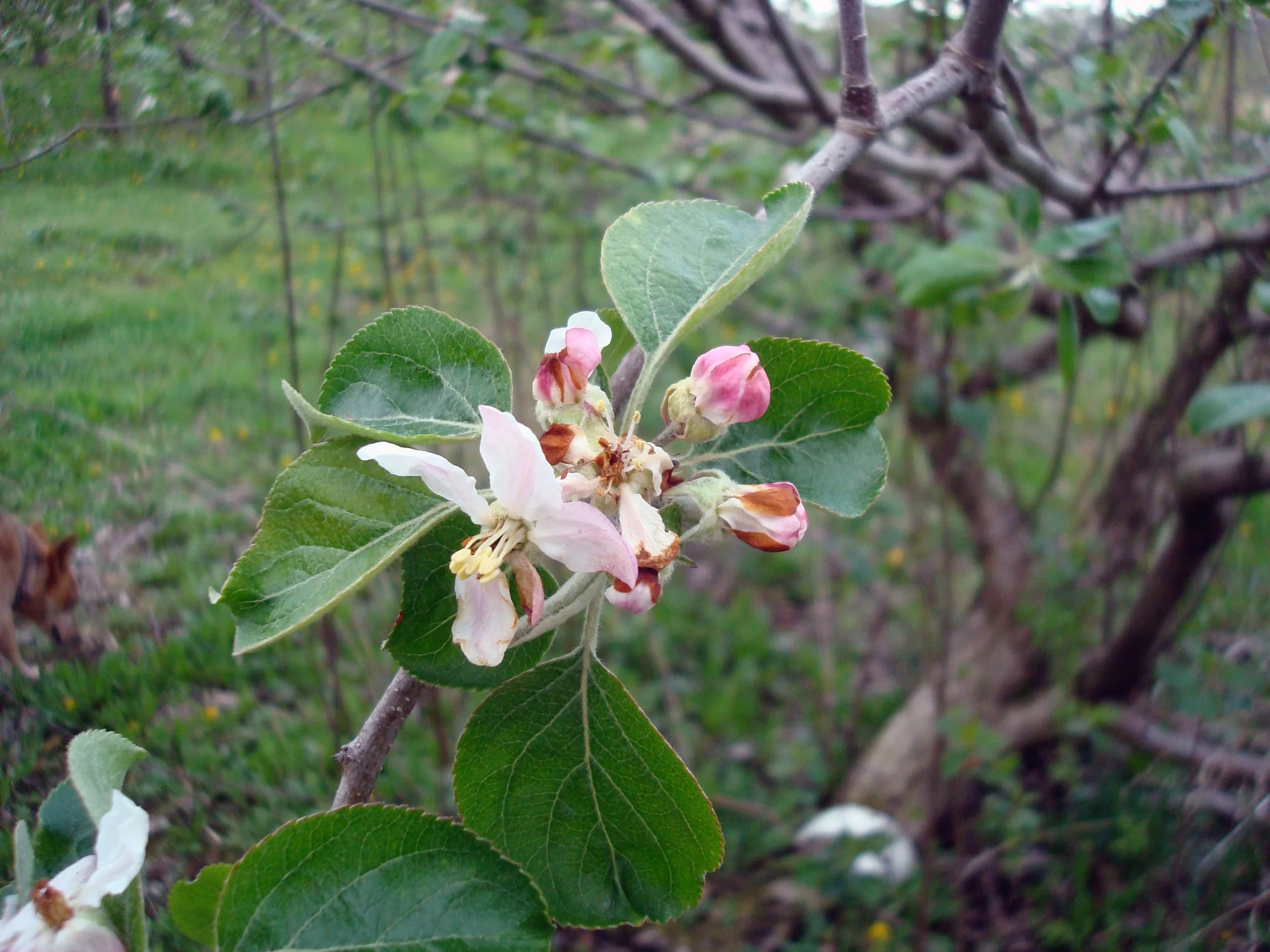
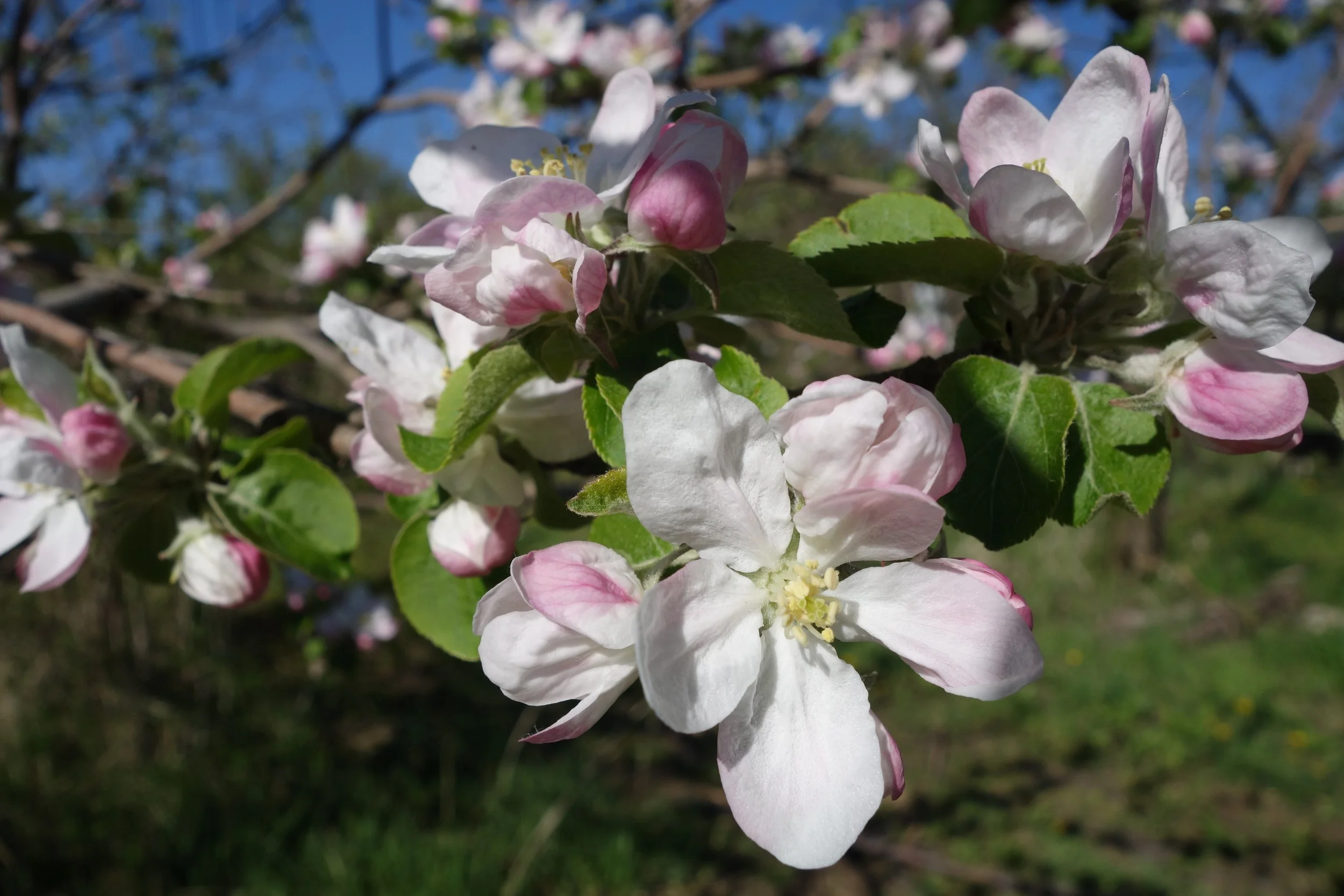
Golden Russet are not widely grown in Minnesota because they were perceived to be insufficiently hardy . . . and also many Minnesota apple growers stick to the U of M releases. When I bought the orchard back in 2010 there was one mature Golden Russet tree here and since then planted about 70 more. They’re doing fine.
Of note is that they’re tip-bearers, which means that they bear fruit at the ends of their branches, which makes it more likely that in pruning, you may prune off all of the fruit in a given year. Here is a video that will help you distinguish a tip-bearing variety from a spur-bearing variety and better understand how to maintain those two types of trees.